
When the Referee Owns the Team — and Tennessee Changes the Rules
At the center of this issue is a simple question: should the entities responsible for managing prescription drug benefits also own the pharmacies that profit from those decisions?
At the center of this issue is a simple question: should the entities responsible for managing prescription drug benefits also own the pharmacies that profit from those decisions?

President Trump’s executive order provides a framework for tying the prices of U.S. pharmaceutical products to the lower prices paid in other countries, what’s called most-favored-nation pricing. If drug companies do not lower their prices accordingly, the order proposes other strategies, such as importing drugs from other countries.


What if health plans could identify member decline before an avoidable hospitalization occurs? Real-time clinical visibility into long-stay SNF members uncovers risk earlier and drives better outcomes.

On Tuesday, the Federal Trade Commission released its second interim staff report on prescription drug middlemen. The report examines the impact of PBMs (specifically CVS Caremark, Express Scripts and Optum Rx) on specialty generic drugs, highlighting substantial price markups by PBMs on medications for cancer, HIV and other conditions.
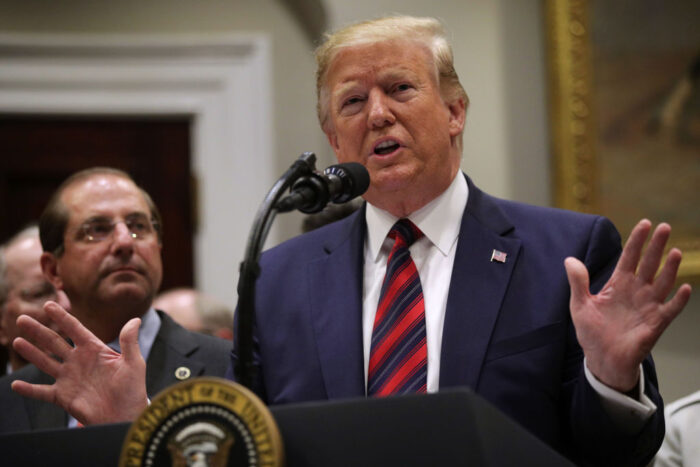
Experts agree that the incoming Trump administration will likely shake things up in the prescription drug world — most notably when it comes to research and development, drug pricing and PBM reform.

Eli Lilly now offers vials of obesity medication Zepbound directly to self-pay patients at a nearly 50% discount off the drug’s list price. But more than offering patients a lower-cost alternative, this move represents a strategic stance against certain pharmaceutical industry players.

Proposals targeting misaligned financial incentives, price transparency, and pharmacy access are important and necessary reforms. But the consequences of failing to address pharmacy benefit managers’ use of market power to block competition and extract monopoly profits from payers and consumers will not be limited to drug costs – it will change all of healthcare for generations.

Small practices play a critical role in healthcare delivery, but they cannot continue to absorb ever-increasing administrative demands without consequences.

The Senate Finance Committee voted 26-1 to advance the Modernizing and Ensuring PBM Accountability Act. The bill has several provisions, including delinking PBM income from prescription drug prices under Medicare Part D and banning spread pricing in Medicaid.

James Comer (R-Ky), House Committee on Oversight and Accountability chairman, sent letters to the Office of Personnel Management, Centers for Medicare and Medicaid Services and the Defense Health Agency asking for documents that show how PBMs’ practices are affecting federal government healthcare programs. In addition, he sent letters to CVS Caremark, Express Scripts and OptumRx, asking them to provide information on their tactics.

When asked what the biggest threats facing them were, 94% of employers said high-cost pharmacy claims, 91% said medical inflation and 91% said million dollar treatments being approved by the FDA, according to a new survey from the Midwest Business Group on Health.
The Senate Commerce Committee held a hearing Thursday, which discussed how the Pharmacy Benefit Manager Transparency Act would affect practices by pharmacy benefit managers, including clawbacks. Some questioned why PBMs are even necessary.


By reducing administrative burden and redesigning workflows around human needs, it creates space for what matters most: connection between clinicians and patients.

Transcarent wants to transform the digital pharmacy benefit experience, enabling self-insured employers and their staff to make more informed choices.

At the upcoming INVEST Digital Health conference in Dallas set for September 28, in collaboration with Health Wildcatters, a panel discussion on the future of pharmacy benefit managers will be part of the larger conversation on employee benefits. AJ Loiacono, CapitalRx CEO, shared his perspective on the topic.

The MedCity INVEST Digital Health conference in Dallas September 28 in collaboration with Health Wildcatters marks our first conference in the Lone Star state and new themes embracing employee benefits and the financial experience in healthcare. Register today!
Pharmacy benefit managers have been widely criticized for opaque drug pricing practices. But Waltz Health, which was co-founded by former PBM executive Mark Thierer, aims to use insider knowledge and tech solutions to lower drug costs.

Pharmacy benefit managers, or PBMs, suspended in-person audits because of covid last year, shifting to virtual audits, much as in-person doctor visits shifted to telehealth. Amid added pandemic pressure, that means pharmacists are bearing significantly more workload for the audits.